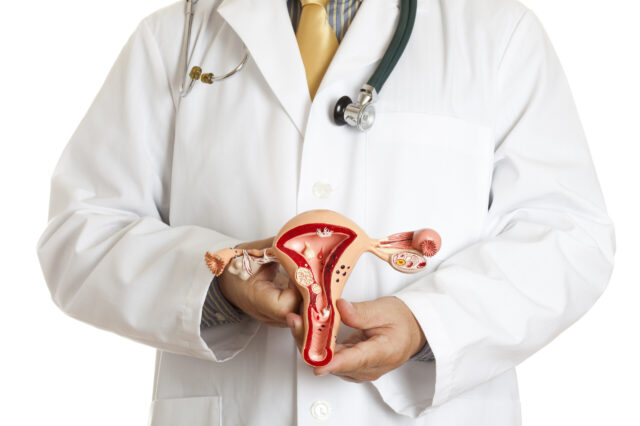

Uterine fibroids are noncancerous growths that develop in or on the uterus, and they can cause various symptoms. These growths vary in size, number, and location. While many individuals with fibroids experience no symptoms, others face issues such as heavy menstrual bleeding, pelvic pain, and pressure, which prompt them to seek management options. Here is more information about lifestyle changes and treatments for this condition:
Lifestyle Changes
Certain lifestyle modifications are associated with managing factors related to fibroid growth. Maintaining a healthy weight is one such adjustment, as excess body fat produces estrogen, which may contribute to fibroid development. Regular physical activity helps with weight management, and it may also lower blood pressure, another factor linked to fibroids.
Dietary choices also play a role in a management plan. Limiting consumption of alcohol and red meat may be suggested because these items are associated with an increased likelihood of developing fibroids. Incorporating more green vegetables, such as broccoli and spinach, into your diet is beneficial. These vegetables contain nutrients that are part of a balanced diet.
Surgical Treatments
When symptoms are severe, surgical options are available. A myomectomy is a procedure that removes fibroids while leaving the uterus intact, and it is an option for those who wish to preserve their fertility. Recovery from a myomectomy varies depending on the surgical approach, which may be open, laparoscopic, or hysteroscopic. Risks include bleeding, infection, and the potential for new fibroids to grow in the future.
A hysterectomy is the surgical removal of the entire uterus, which provides a permanent resolution to fibroids since they cannot regrow. This procedure is a major surgery, and it ends a person’s ability to become pregnant. The selection between myomectomy and hysterectomy depends on symptom severity, fibroid characteristics, and a person’s desire for future fertility. Your healthcare provider will discuss which option aligns with your specific health profile and personal goals.
Uterine Fibroid Embolization
Uterine fibroid embolization (UFE) is a minimally invasive procedure that offers an alternative to traditional surgery. During UFE, a radiologist injects tiny particles into the arteries supplying blood, and this blocks the blood flow to the fibroids.. This process blocks the blood flow, causing the fibroids to shrink and symptoms to subside over time. Because it preserves the uterus, UFE is an option for individuals who want to avoid a hysterectomy.
Ideal candidates for UFE are typically those with symptomatic fibroids who are not pregnant and do not have certain types of pelvic infections. Following the procedure, most people experience moderate to severe pelvic pain for several hours, which is managed with medication. Other potential risks include:
- Infection
- Bleeding
- Injury to the uterus
Recovery generally involves a short hospital stay and a return to normal activities within one to two weeks. The procedure has a high rate of patient satisfaction for symptom relief.
Get Treated for Fibroids
Living with symptomatic fibroids presents challenges, but several management paths exist. From lifestyle adjustments to surgical and minimally invasive treatments, you have options to explore with a healthcare professional. A thorough evaluation of your symptoms, fibroid type, and overall health will determine the most appropriate course of action for your situation. To understand which treatment is right for you, schedule a consultation with a fibroid specialist today.