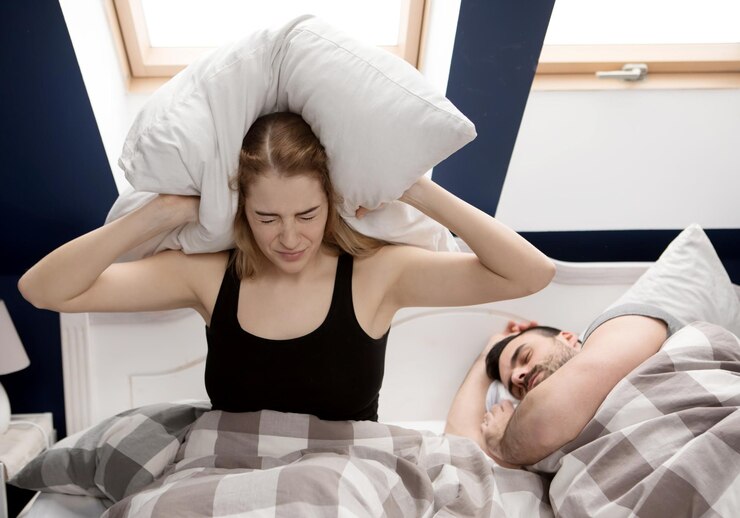

A snoring specialist is a clinician trained in the evaluation of snoring and related sleep-breathing disorders. This professional, who may be a sleep medicine physician or a sleep apnea specialist, possesses the expertise to investigate the underlying causes of snoring. By consulting with such a specialist, you can learn when your snoring occurs, what causes it, and what can be done to manage it. Here’s more information on treating sleep disorders with a snoring specialist:
Accurate Diagnosis
The primary role of a snoring specialist is to conduct a thorough evaluation to determine the cause of your snoring. This process often begins with a detailed medical history and a physical examination of the head, neck, and airway. Questionnaires may be used to gather more information about your sleep patterns and daytime symptoms.
If a sleep-breathing disorder like sleep apnea is suspected, the specialist may recommend further testing. This can range from a home sleep apnea test (HSAT), which monitors breathing, oxygen levels, and effort while you sleep at home, to an in-lab polysomnography (PSG). A PSG is a more comprehensive overnight study conducted in a sleep center, where brain waves, heart rate, breathing, and body movements are monitored. These diagnostic tools help differentiate between minor snoring and more complex conditions.
Sleep apnea is a disorder characterized by repeated pauses in breathing during sleep. The main types include:
- Obstructive Sleep Apnea (OSA): This is the most common form, caused by a physical blockage of the upper airway during sleep.
- Central Sleep Apnea (CSA): This type occurs when the brain fails to send the proper signals to the muscles that control breathing.
- Complex or Mixed Sleep Apnea: This is a combination of both obstructive and central sleep apnea features.
Effective Treatment
Following a diagnosis, a snoring specialist can outline established treatment categories tailored to the specific condition. For sleep apnea, options are designed to help maintain an open airway during sleep. Lifestyle adjustments are often recommended, including weight management, changing sleep positions, or reducing alcohol and tobacco consumption.
For some individuals, oral appliance therapy, which involves a custom-fitted device similar to a mouthguard, can help keep the airway open. Positive airway pressure (PAP) therapy is a common treatment. Devices like CPAP (Continuous Positive Airway Pressure) deliver pressurized air through a mask to prevent airway collapse. The specialist assists with selecting the appropriate device and mask for a proper fit. In certain cases, ENT-related procedures may be recommended to address anatomical factors contributing to airway obstruction.
Long-term Support
For effective management of sleep-breathing disorders, you may need ongoing care. A snoring specialist and their team provide long-term support to monitor progress and address any issues that arise. This includes regular follow-up appointments to review data from PAP devices, check mask fit, and troubleshoot potential problems. Changes in a person’s health status, like weight loss or gain, may impact the effectiveness of a prescribed therapy. A specialist can modify pressure settings on a PAP device, recommend new mask types, or discuss device upgrades.
Contact a Snoring Specialist Today
Interrupted sleep can cause health issues. A sleep specialist provides services to help you get an accurate diagnosis and treatment plan. Contact a snoring or sleep apnea specialist to talk about your sleeping habits.